Unit 3D North Point House, North Point Business Park, New Mallow Rd. Cork, T23AT2P
+353 87 469 6556
stephenbwilcox1@gmail.com


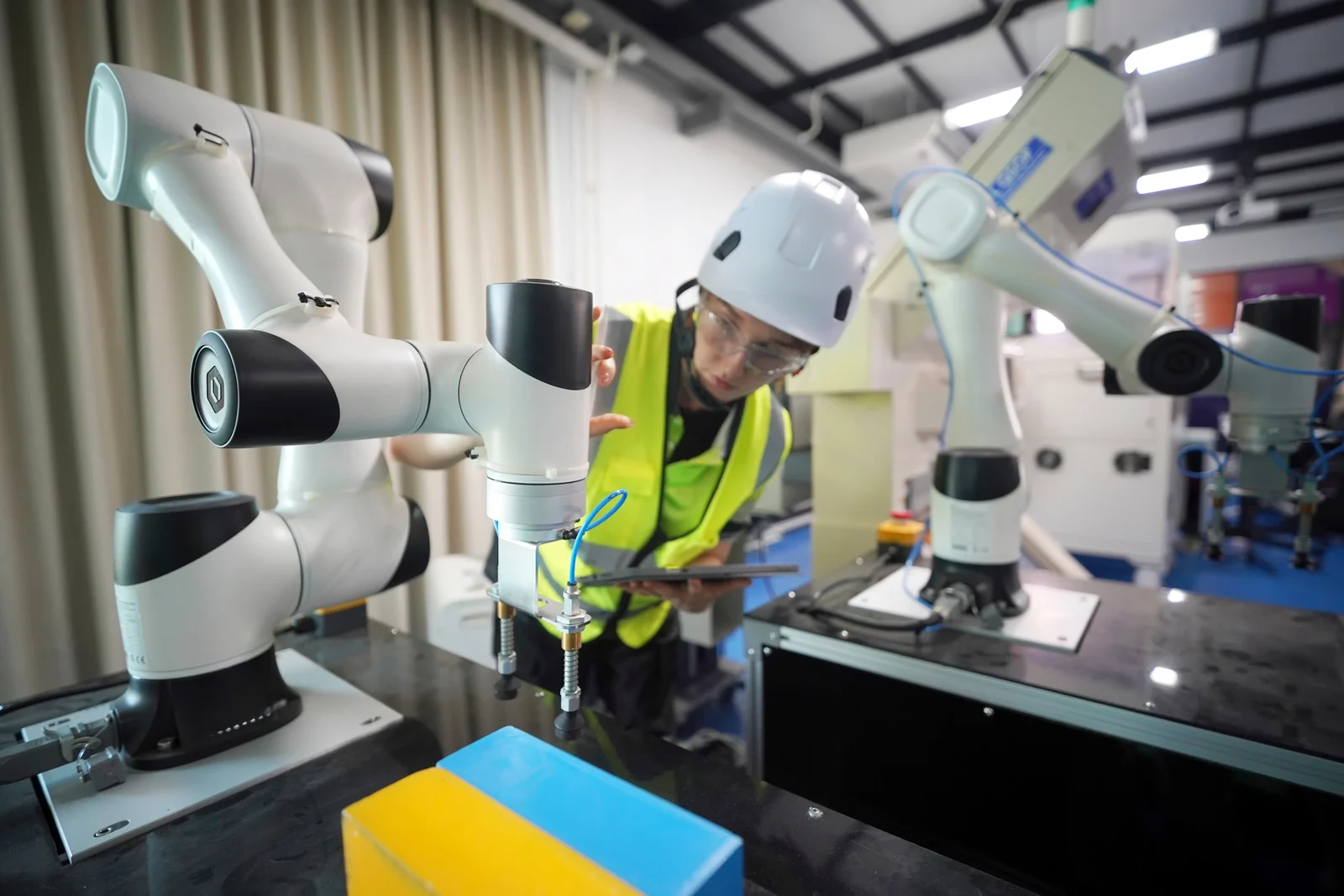
Understanding these human characteristics can help development teams consider how users will interpret controls, information and product behaviour during use.
The goal is to support products that are easier to learn, easier to use and less prone to user error.
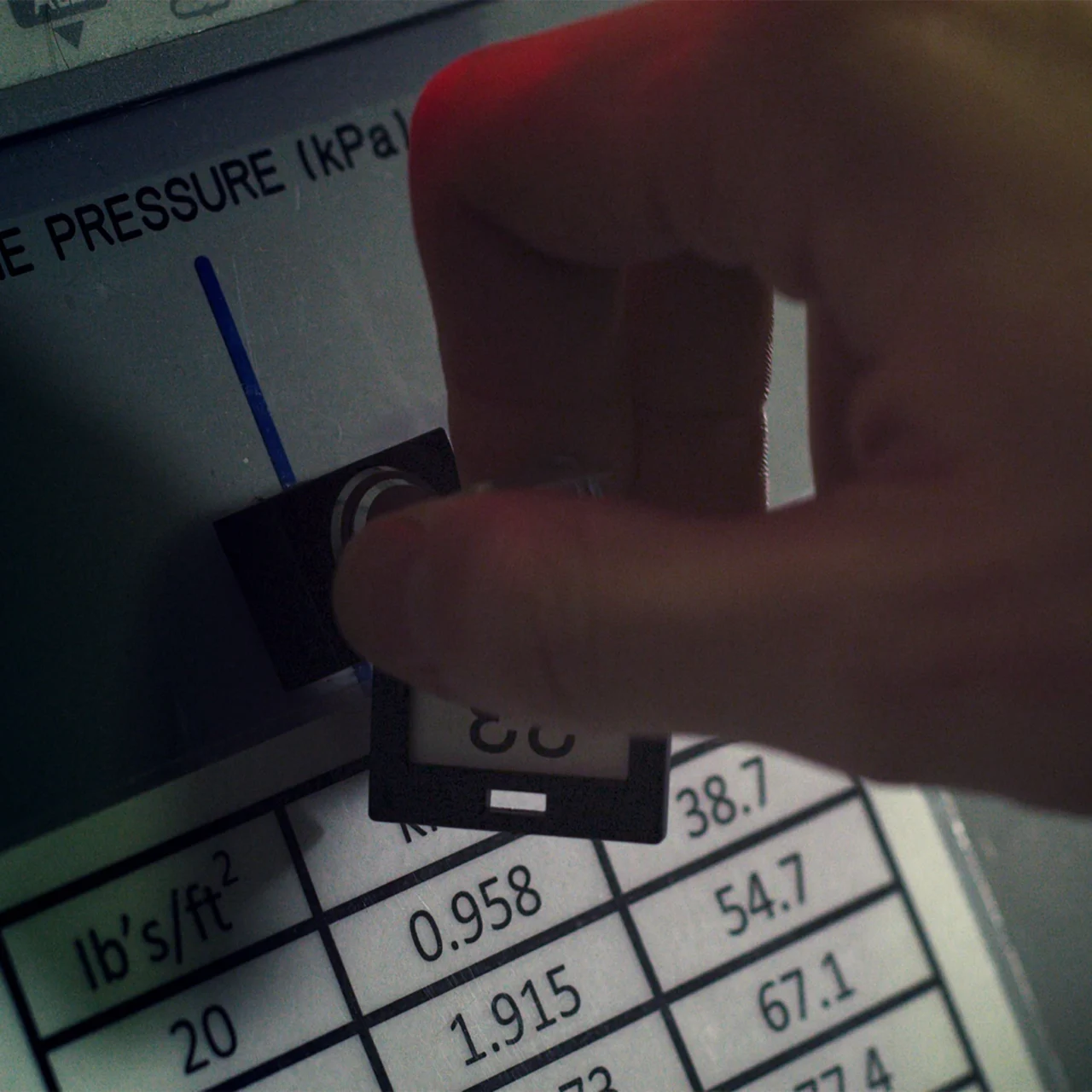
Use anthropometric information to consider the range of body sizes and shapes relevant to product use.
Consider posture, movement and joint range to help products better accommodate physical use.
Consider the strength required to operate a product and whether interactions demand excessive force.
Consider how handles, controls and other physical features fit the range of people expected to use the product.
Apply cognitive human factors information to consider how users perceive, remember and process information during use.
Use human factors knowledge to support products that are easier to learn and operate with fewer opportunities for error.

Please install and activate Contact Form 7 plugin.
Stephen Wilcox Human Factors, LLC provides human factors expertise to product-development teams, helping them create products that are safer, easier to use and better suited to the people who use them.